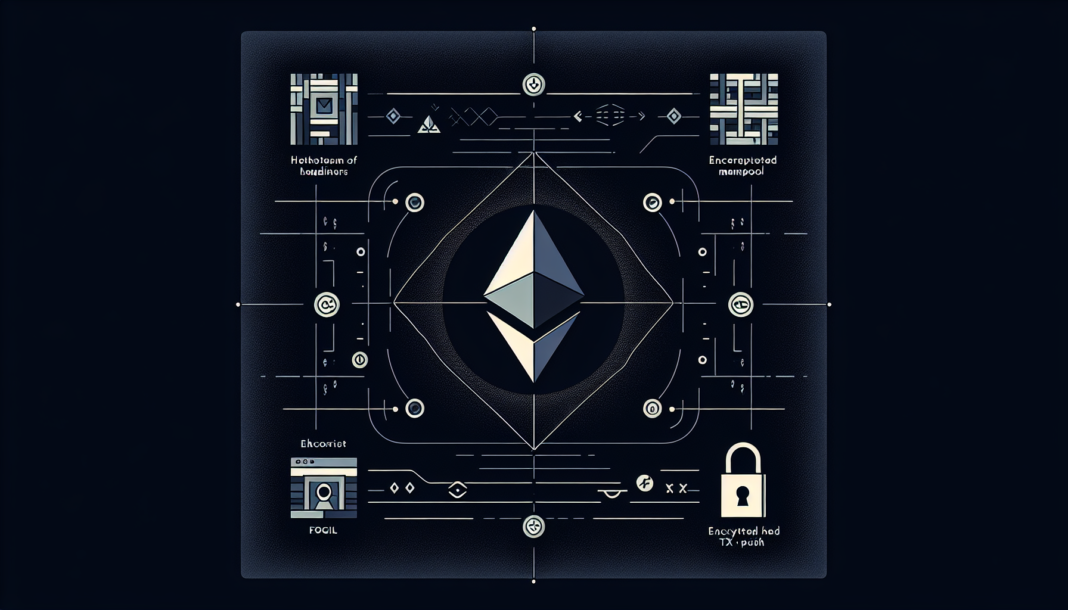

Ethereum developers are finalizing the upcoming Glamsterdam upgrade while debating headliner changes for the following upgrade, codenamed Hegota, in a developer call last Thursday (details on the call are available here). The discussion aims to select features that are visible and meaningful for average users.
There is growing support for FOCIL, a fork-choice inclusion list designed to force block builders to include every valid transaction and prevent transaction censorship. Proponents say it advances Ethereum’s neutrality and censorship resistance.
Developer Jannik Luhn pitched the universal enshrined encrypted mempool to allow encrypted transactions, reducing front-running and sandwich attacks (proposal text is here). “Many users already protect themselves by using private RPCs and trusted builders, which I think proves that there’s user demand,” he said.
Ethereum Foundation developer Felix Lange proposed new frame transactions to enable stronger account abstraction and prepare for quantum-resistant signatures (proposal text is here). “It’s also for us the most important one, because of the readiness for the post-quantum world,” Lange said, and Vitalik Buterin added “From a use cases perspective, this does basically satisfy everything that, at least I’ve been pushing for — the entire list of goals of account abstraction.” (Ed. note: ECDSA is currently described as quantum-vulnerable.)
Several governance votes are also active. Frax is voting on a supply and IP clarification proposal, GMX DAO is voting to allocate $3.5 million for marketing and trader incentives, and Goldfinch is voting to add $150,000 to its legal reserve.
A community post about the Silver project drew attention this week; the tweet criticizing developer responsiveness is available here.