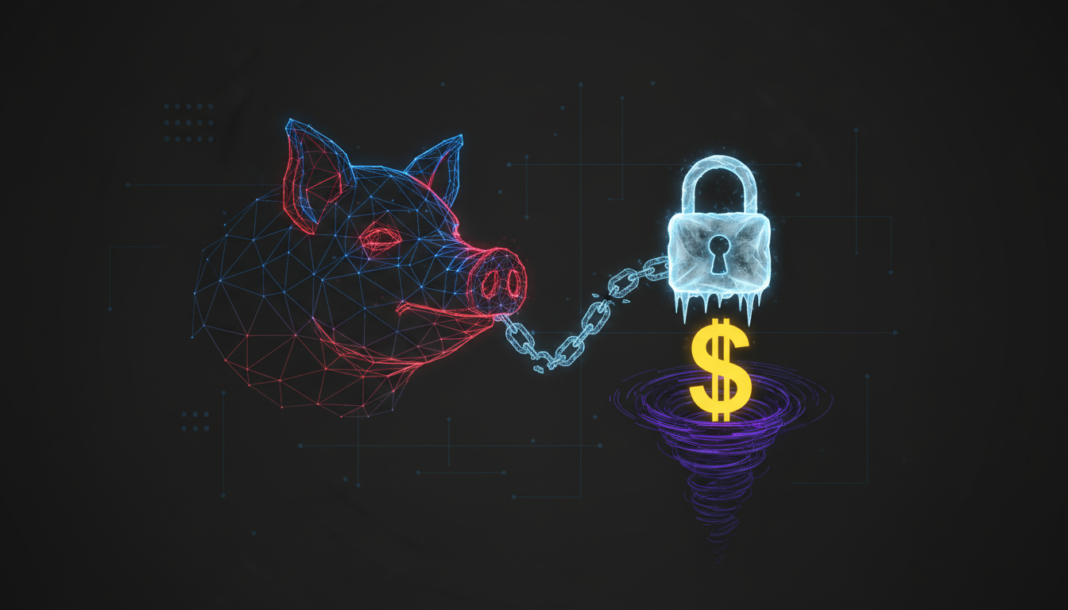

A new report analyzing over 2,500 cryptocurrency investigations from 2025 to 2026 reveals a landscape dominated by long-term, trust-based scams. Investment fraud and “pig butchering” schemes, which use prolonged grooming on chat platforms, are the most prevalent and damaging threats. The study found freezing stolen assets is the most effective tool for loss containment, succeeding 75% of the time when funds remain in the attacker’s wallet.
Investment scams and pig butchering fraud have dominated the cryptocurrency crime landscape over the past year. Attackers using long-term trust-building on chat or voice platforms have extracted massive deposits from victims over time.
According to a new report analyzing over 2,500 investigations, crypto scams and thefts have been carried out across different blockchains. Investment scams represent the largest category of cases, relying on false profitability signals to convince victims to deposit huge amounts.
Freezing assets has acted as the best step in helping to stop losses. In cases where funds were still under the attacker’s wallet control, about 75% of the assets were successfully frozen.
Recovery was only successful in high-value cases or when stolen assets passed through centralized exchanges. Freezing typically helps recovery and serves as the main mechanism to contain losses.
In pig butchering scams, attackers spend weeks, months, or years building trust with victims before introducing a fraudulent investment opportunity. The prolonged engagement makes victims more likely to deposit huge sums across multiple transactions.
Scammers also used methods like phishing and device compromise to extort victims. Most of these scammers made use of chat- and voice-based platforms like Telegram, Discord, WhatsApp, Zoom, or phone calls to carry out their operations.