

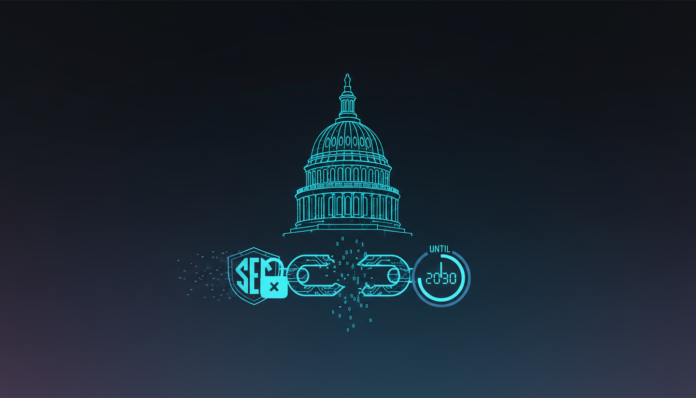
The U.S. Senate passed an amendment to prohibit the Federal Reserve from issuing a Central Bank Digital Currency until 2030. In a separate development, the SEC is pursuing a narrower exemption for trading tokenized securities, moving away from a previously proposed broad “blanket” approach. Meanwhile, market predictions for the passage of the CLARITY Act cryptocurrency market structure bill have significantly dropped, falling to 56%.
The Central Bank Digital Currency ban amendment cleared the U.S. Senate on March 12th as part of the 21st Century Road to Housing Act. The amendment passed with broad bipartisan support by an 89-10 vote and would prohibit the Federal Reserve from issuing a CBDC until 2030 if approved by the House.
Separately, SEC Commissioner Hester Peirce highlighted the agency is working on a narrower innovation exemption for tokenized securities. Commission staff is working on an innovation exemption to facilitate limited trading of certain tokenized securities—much narrower than the “blanket” exemption mentioned in the draft recommendation, she stated.
The agency previously planned a wide exemption allowing tokenized securities to develop outside current oversight. Critics like Citadel Securities argued that DeFi platforms should be treated as traditional intermediaries and comply with all legal requirements.
Market odds for the CLARITY Act becoming law this year fell to 56% from 78% in early March, according to Polymarket. The drop followed spats between the White House and banks over a stablecoin yield deal.
Senate Majority Leader John Thune cast doubt on an April deadline for the market structure bill. Market structure is a bill that’s, I’m hoping, going to come out of the Banking Committee soon, probably not before, I would say, the April time period, Thune stated.

