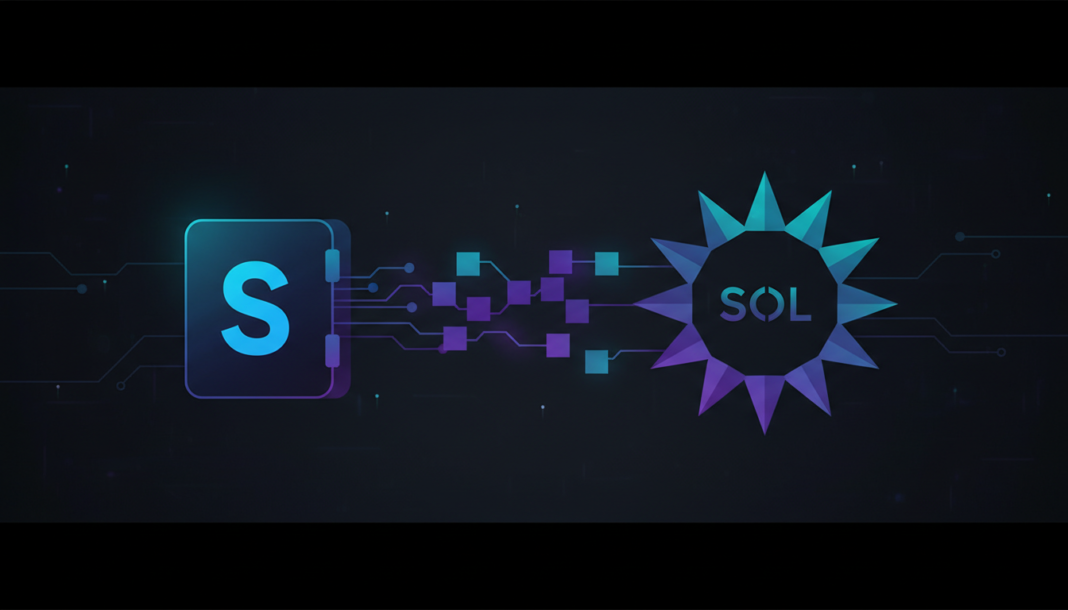

SoFi, a U.S. national chartered digital bank, has integrated native Solana (SOL) deposits, allowing its 13.7 million users to move tokens on-chain directly into regulated accounts. This marks the first time a federally supervised U.S. bank has facilitated direct on-chain deposits, moving beyond traditional brokerage models. The integration provides Solana with a major regulated retail distribution channel separate from cryptocurrency exchanges.
In a landmark move for banking and blockchain integration, SoFi announced it now supports native Solana network deposits. The bank stated on X that this allows customers to manage SOL directly within its application.
This model represents a significant departure from conventional bank-offered cryptocurrency products. Unlike brokerage services that only provide price exposure, SoFi enables direct wallet-to-wallet on-chain transfers.
“SoFi now supports @Solana network deposits!” the company announced. This integration permits customers to buy, sell, hold, and deposit SOL through a single interface alongside traditional accounts.
The move effectively links a public blockchain with the federally supervised banking system. It establishes a framework for a national-chartered bank to act as an intermediary to a public network, differing from custodial models used by other fintech firms.
According to CoinMarketCap data, SOL traded near $81.4 following the announcement. SoFi operates under a national bank charter and all its digital asset services must comply with federal banking and consumer protection regulations.
Digital assets held with SoFi are not FDIC-insured, and availability varies by jurisdiction. The rollout occurs as U.S. regulators continue to evaluate frameworks for digital asset custody and settlement.
With over $50 billion in assets according to Yahoo Finance data, SoFi is a major digital-first bank. Its actions signal increased institutional testing of token-based movements within traditional finance applications.