

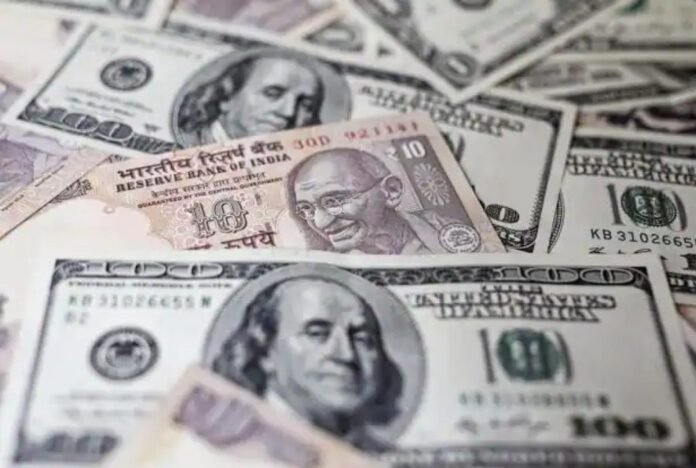
The Indian rupee has plummeted to a historic low of 96.90 against the US dollar. While the Reserve Bank of India’s interventions temporarily strengthened the currency, the rupee now faces severe pressure, with markets anticipating it could reach 100 against the dollar much sooner than expected. This scenario threatens significant economic consequences, including heightened inflation and a volatile stock market.
The Indian rupee plunged to a historic low against the US dollar, reaching 96.90 on Wednesday. When the INR was at the 92 to 94 level in April, the Reserve Bank of India (RBI) took measures to protect the local currency, including limiting banks on short selling above $100 million.
The RBI also forced banks to liquidate their US dollar holdings to safeguard the INR. While it worked for a limited time, and the Indian rupee rose to 90 against the US dollar, the tables have turned drastically in May.
The RBI can only contain it for a limited period, as the market chalks its own course. The US dollar has hammered the rupee for a week, and is now staring at a reality of 100. Rupee at 100 will come with severe consequences, as the price has come much earlier than previously thought.
The market was prepared for the Indian rupee to plunge to 100 against the US dollar after 2030. However, going by the plummeting INR, chances of it reaching there in 2026 are higher. If the INR hits a century by the year’s end, the Indian stock market will brace for a major impact. Sensex already dipped 300 points on Wednesday’s trading session and remains volatile.
The stock market has fallen 11.70% year-to-date, making investments less promising. If the Indian rupee falls to 100 against the US dollar, inflation could wreak havoc in the country. Imports could turn more costly, and the price of all goods could rise.
This will eat into savings and make money management much tighter. People could spend more for the same essentials, while wages remain the same. 2026 could prove deadly for the Indian economy if the INR is not protected.
