

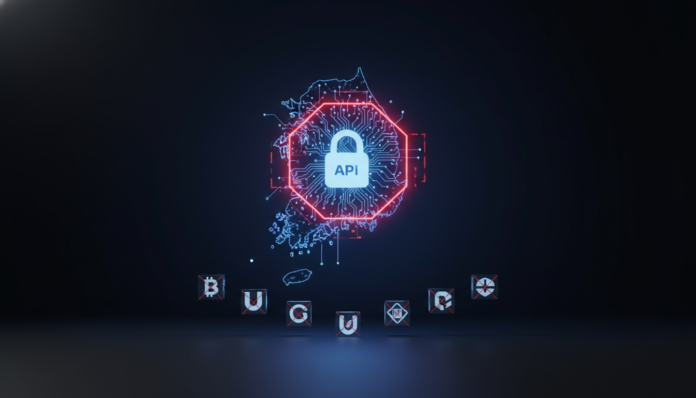
South Korea’s Digital Asset Exchange Alliance (DAXA) is implementing stricter compliance measures to address risks from API key misuse in algorithmic trading. The move targets member exchanges like Upbit, Bithumb, Coinone, Korbit, and Gopax, requiring them to verify keys suspected of fraudulent use. With automated trading accounting for roughly one-third of the country’s crypto volume, the alliance aims to tighten safeguards while supporting legitimate quantitative firms.
South Korea’s Digital Asset Exchange Alliance (DAXA) is working to increase compliance standards for local crypto exchanges, primarily over risks linked to API key abuse during algorithmic trading. Around a third of the country’s crypto flows are from automated operations, leading authorities and exchanges to attempt to tighten safeguards.
South Korea’s DAXA now mandates member exchanges to verify API keys if they suspect fraudulent use. Platforms including Upbit, Bithumb, Coinone, Korbit, and Gopax will conduct more aggressive checks on abnormal trading activities. This decision responds to systemic issues within the nation’s digital asset ecosystem.
Exchanges are required to re-authenticate users whose accounts are flagged during monitoring reviews. Additionally, platforms will introduce IP whitelisting systems to restrict API access to approved addresses. These measures aim to limit risks from stolen credentials while supporting the legitimate automated trading strategies of quantitative firms and liquidity providers.
The Financial Supervisory Service acknowledged automated trading’s major impact on liquidity and price discovery in Korean crypto markets. However, shared or leaked API keys present significant system-wide risks for the ecosystem.
By strengthening access controls, South Korea’s DAXA seeks to protect investors and ensure regulatory compliance. The alliance also aims to promote blockchain innovation, balancing security measures that encourage institutional participation with minimal inconvenience to compliant traders.
