

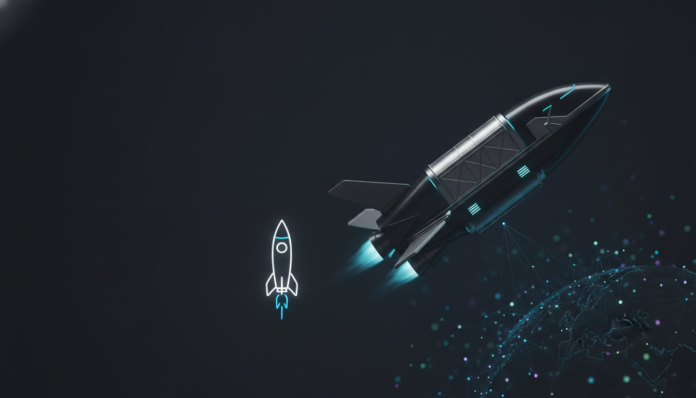
SpaceX is scheduled to test its new “Starfall” dedicated cargo return spacecraft with a Falcon 9 launch from Florida on June 22, 2026. This vehicle aims to provide a faster, cheaper method for returning orbital materials to Earth. Industry experts are analyzing how this advancement could connect the space economy to blockchain, enabling the verification and tokenization of space-processed goods as Real World Assets.
SpaceX will conduct the inaugural Starfall Demo mission on Tuesday, launching a Falcon 9 rocket from Florida. The mission is a trial of a new cargo return vehicle designed to bring materials back from orbit.
As the space economy converges with blockchain infrastructure, experts are analyzing how cheaper orbital access may impact on-chain supply chains. This development specifically concerns Real World Asset (RWA) markets.
The Starfall system differs from the existing Cargo Dragon, which primarily returns cargo from the International Space Station. Starfall is a dedicated cargo return system intended to find a quicker and less expensive deorbiting method.
A dedicated return capability could make it more realistic to verify, audit, and tokenize goods processed in space. This bridges the physical and digital for those in blockchain and decentralized finance.
The launch window opens at 6:43 AM ET, with a secondary opportunity on Wednesday, June 24. Mission results will provide data on vehicular performance, turnaround time, and cost structure.
These parameters are critical for projects aiming to tie physical blockchain records to decentralized science and space-based manufacturing. As stated by Sawyer Merritt on X, “SpaceX is set to launch its first Starfall Demo mission this Tuesday aboard its Falcon 9 rocket.”
Potential opportunities include advancing trade in orbital commodities and providing independence from ISS schedules. Technical hurdles involve changing regulations, re-entry risks, and future space traffic management.
For cryptocurrency applications, the operational chain for RWA tokenization requires secure physical custody and data integrity. Growth in orbital activities presents these challenges for the blockchain space to solve.
