

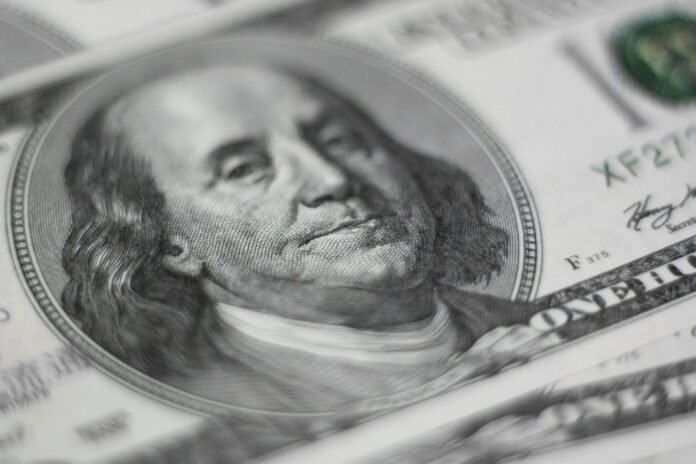
Developing nations are actively pursuing “de-dollarization” to reduce their dependence on the U.S. dollar in global trade and finance. They view the currency’s use in sanctions and trade policies as a form of economic weaponization. This shift aims to empower local currencies and create a more multipolar financial system. Central banks are diversifying reserves by accumulating gold and other currencies as the U.S. national debt approaches $40 trillion, making heavy reliance on the dollar appear increasingly risky.
The world of economics is witnessing a rise in de-dollarization, where local currencies seek greater dominance. Developing countries now see the U.S. dollar as a target, believing the White House has weaponized it through sanctions, tariffs, and trade wars.
De-dollarization has grown into less hostility against the dollar but increased use of local currencies for trade. This gradual shift represents a move from a West-based world order to a new multipolar financial order.
The goal is not to end the dollar’s reign entirely but to reduce dependency on it. This allows local currencies the opportunity to level the field in broader forex markets. Central banks are already preparing for the shift by diversifying their reserves by accumulating gold and other local currencies.
These assets are taking up space that the U.S. dollar once dominated for decades. The realignment is underpinning international trade, changing commodity prices, and leading to a paradigm shift in policies.
Geopolitical tensions are among the reasons why emerging economies want to pursue de-dollarization. The capital markets of developing countries are now at par with global markets, as they have evolved over the last two decades.
Their financial strength gives them confidence they can operate without the U.S. dollar. De-dollarization makes them less vulnerable to the whims of the White House and the growing national debt.
The U.S. debt has already crossed the $39 trillion mark and is marching towards $40 trillion. Therefore, holding the dollar in central bank reserves is viewed as extremely risky.
Countries holding the currency would have to swallow the bitter pill while funding America’s deficit. All these developments led to the rise of the de-dollarization agenda, where developing countries want financial independence. The role of the U.S. dollar in global finances remains questionable for the coming decades.
